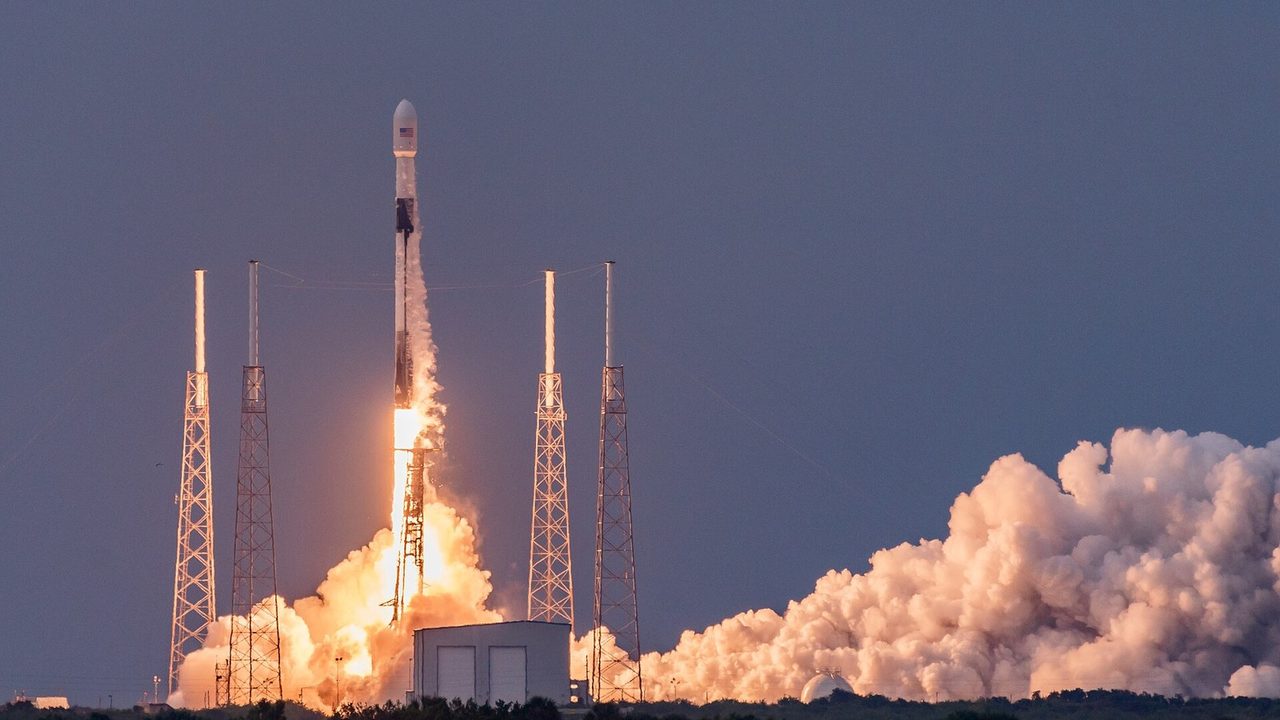
SpaceX is moving ahead with its massive launch system, and reports show it may leave NASA far behind. The private company is working at a pace that government teams struggle to match. This big shift is changing how people view the future of flight to the stars.
Why is SpaceX's giant rocket leaving NASA behind?
SpaceX moves quickly because it tests vehicles, breaks them, learns from the mistakes, and builds new ones right away. Traditional government agencies like NASA must follow strict rules and protect taxpayer money with great caution. That careful path takes a lot of time. A private company can take bigger risks with its own hardware.
The speed gap shows clearly in the race to launch deep space missions. While agency plans move through long reviews, commercial teams build real steel ships out in the open. The massive vehicle known as the SpaceX Starship is built to carry huge loads beyond Earth. If it succeeds early, it could do the heavy work before older programs even get ready.
What this space race means for everyday people
When space flight gets faster and cheaper, regular people feel the effects on Earth. Private rockets bring down the cost of sending gear into orbit. Lower launch costs mean better communications, cheaper satellite internet, and improved weather tracking for everyone. Competition pushes both companies and agencies to deliver results faster.
This big change also means space travel might not just be for career astronauts in the future. Here are the main things this shift brings to the public:
- More satellite tools that improve daily life on Earth.
- Lower costs to build and test bold scientific ideas.
- Faster timelines for human trips to the Moon and beyond.
- New jobs in the growing private aerospace industry.
How did the rocket race get to this point?
Years ago, NASA did almost everything by itself. The space agency designed the shuttles, chose the builders, and ran every launch pad. Over time, the agency began hiring private companies to carry cargo and crew to the space station instead. That opened the door for commercial builders to learn fast.
SpaceX used that chance to build its own huge fleet and launch base. The company set up a massive test and build site at SpaceX Starbase to speed up work. What started as small cargo contracts has now turned into a contest where the student might pass the teacher. The giant booster could soon outmatch anything the government flies on its own.
What to watch for next in the sky
The coming months will show whether private hardware can really beat old records. Watch for more test flights that push the huge rocket higher and farther. Each new launch gives engineers more data to fix problems and try again. NASA will watch these steps closely as it plans its own path forward.
The real question is how the two groups will share the work ahead. NASA still holds the scientific goals, while private industry brings the speed and raw power. If the giant rocket keeps flying without major stops, the balance of power in space will change forever. Everyone interested in the stars should keep their eyes on the launch pad.
Comments
Post a Comment