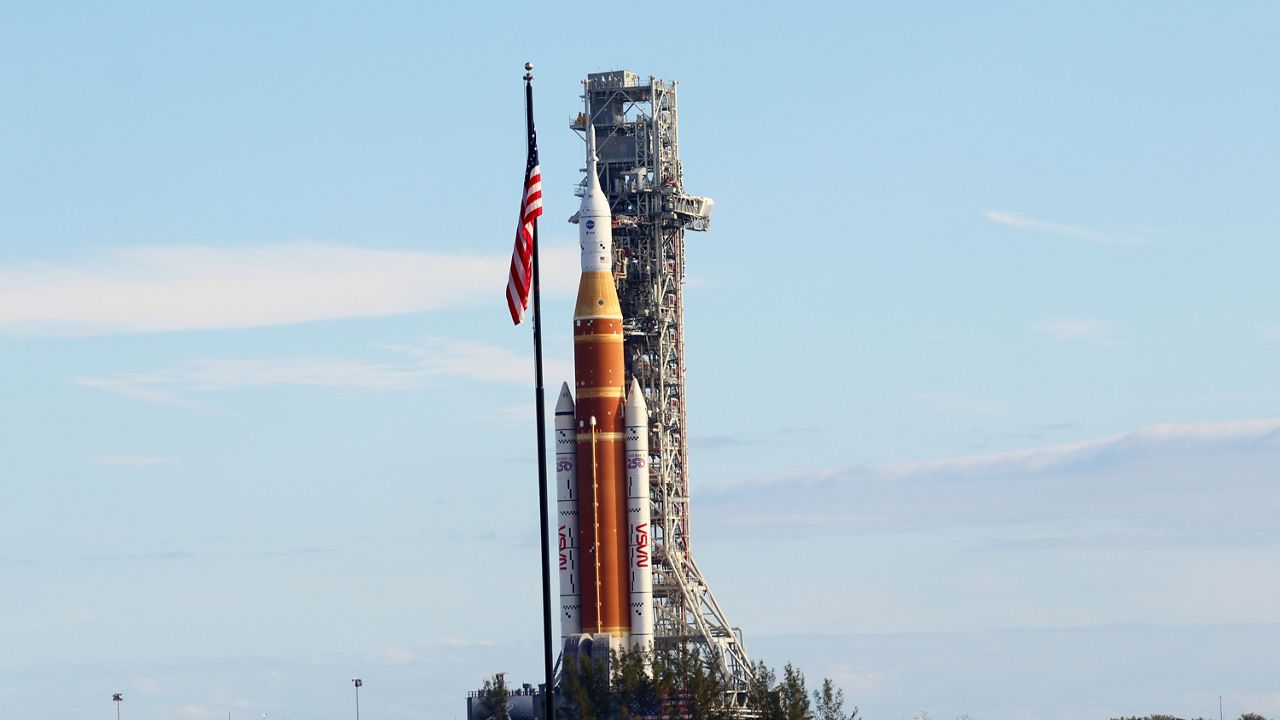
NASA's Artemis II rocket did something surprising to Earth's atmosphere during a recent test. Scientists noticed an unexpected change high above the ground right after the event. The team is now studying the data to learn more about what happened.
What Did NASA Artemis II Rocket Do to Earth Atmosphere?
The giant Space Launch System rocket relies on massive engines to push past Earth's gravity. When these huge engines fire, they release hot gases and strong energy into the upper air layers. People watching the data saw a quick, unexpected shift in the upper air right after the power test ended.
This event surprised experts who monitor the sky during major rocket launches. They did not expect to see this specific kind of reaction in the air layers. Now, teams are looking at every piece of information to understand the exact cause of the shift.
Why Does This Atmospheric Shift Matter to Us?
Giant rockets like the ones used for space travel push through different parts of our sky. The energy from a launch vehicle can temporarily disturb the natural state of the air. Understanding these events helps scientists protect our air layers and keep weather tracking accurate for everyone on the ground.
Here are the key details about this event:
- The Artemis II rocket created an unexpected change high in the sky.
- Scientists recorded the event using sensitive tools.
- The reaction happened right as the giant engines fired.
- Experts are analyzing the data to keep future flights safe.
What Will Scientists Watch for Next?
Researchers will keep a close eye on the sky during the next big launch tests. They want to see if the air reacts the same way every time a large rocket fires its main engines. Gathering more clear data will help teams prepare for future missions into deep space.
Space agencies hope to learn how big blasts affect our air over time. Knowing more about these atmospheric changes helps build safer rockets for future missions. News teams will share fresh updates as soon as scientists finish checking all their scientific reports.
Comments
Post a Comment