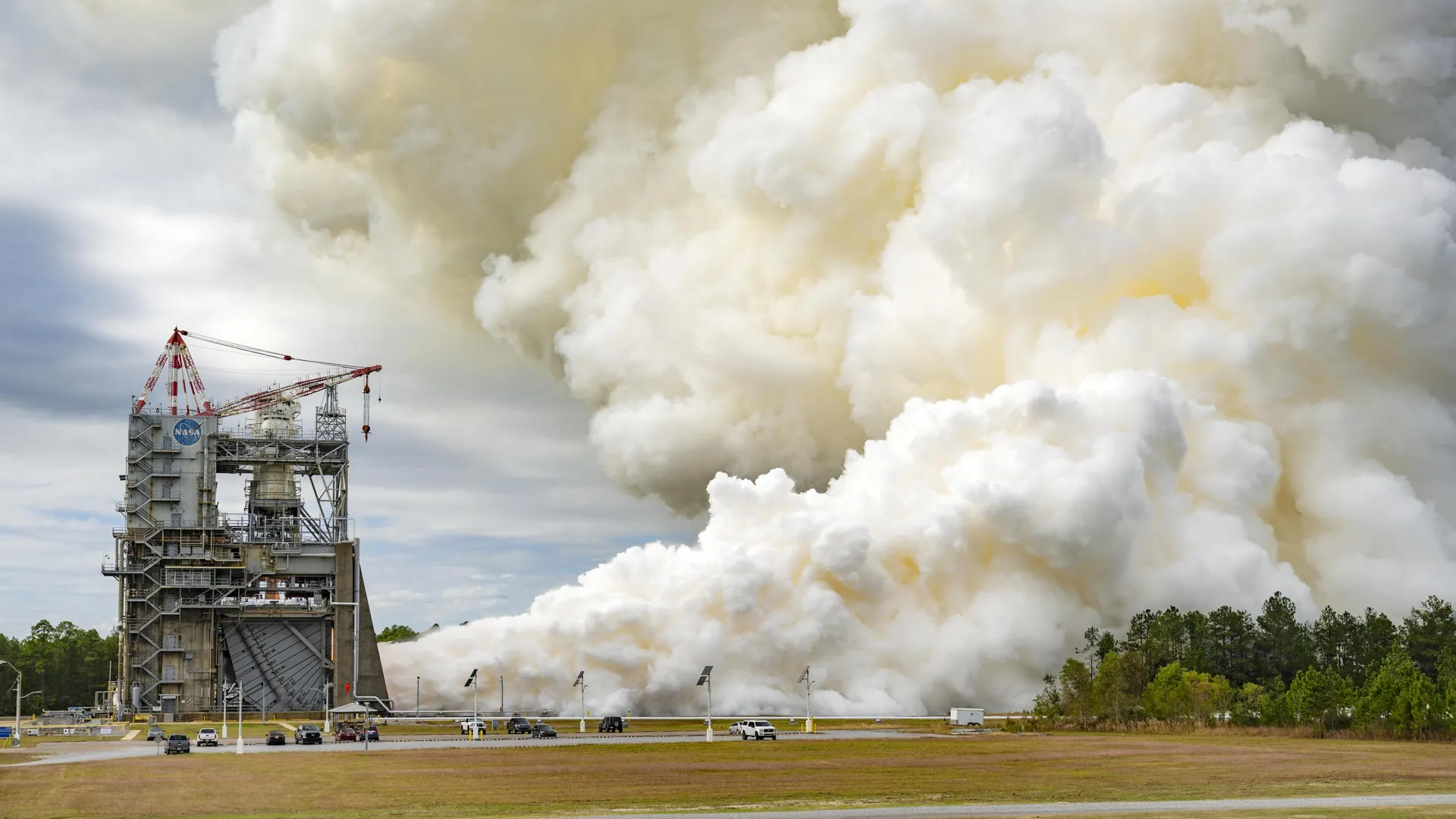
NASA just ran a powerful Moon rocket engine test that lasted for 200 seconds. The dramatic test showed that the heavy machinery can handle the stress of hot flight. Engineers watched the engine fire up to gather key data for future missions.
What happened during the NASA Moon rocket engine test?
The intense testing event lasted for a full 200 seconds while the hardware fired up. Scientists measured the power and heat from the machinery to make sure it stays safe. Every second of the firing run gives teams important facts about how the parts handle stress. This long test run helps prove that the system can endure a real blast into space.
Testing these heavy parts on the ground keeps the crew safe before any flight happens. Engine teams look at every detail to spot potential issues early. A full test run of this length shows that the hardware is strong enough for the journey. It builds trust in the machinery that will carry heavy hardware beyond our planet.
Why do rocket tests matter to ordinary people?
Big rocket achievements cost money, but they also push new tech into daily life. High tech tools made for space often lead to better computers and stronger materials for public use. Seeing a massive engine pass a long test proves that large scale scientific projects are moving forward on schedule.
Space exploration also inspires young people to study science, math, and mechanical engineering. When massive machines fire up successfully, it encourages students to build the future. Watching a rocket engine work shows what human tech can do when teams build things together. These tests bring modern tech goals closer to normal everyday life.
How does NASA test these powerful engines?
Engineers secure the engine onto a heavy stand so it cannot move during the test. They pump hot fuel into the chambers and ignite it while sensors collect real time facts. Here are the main things teams check during a long test run:
- The total power output across the entire 200 seconds.
- The heat levels inside the metal chambers.
- How well the engine handles strong vibrations.
After the fire stops, experts clean the hardware and study all the recorded facts. They inspect the metal parts for any signs of cracks or deep heat damage. If everything looks good, the design moves closer to approval for actual space flights. Every successful run brings the hardware closer to launch day.
What happens next for the space program?
Now that this dramatic 200-second test is done, teams will read all the data. Engineers at NASA must check every sensor output before approving the hardware for mission use. They will inspect the inner chambers of the engine to check for hidden wear and tear.
More ground tests will happen soon to make sure the engine works under different conditions. Future tests might run for longer periods or try different power settings. Fans of space flight can watch for more test news as the team prepares for actual launches. Each test brings humanity closer to long term exploration trips.
Comments
Post a Comment