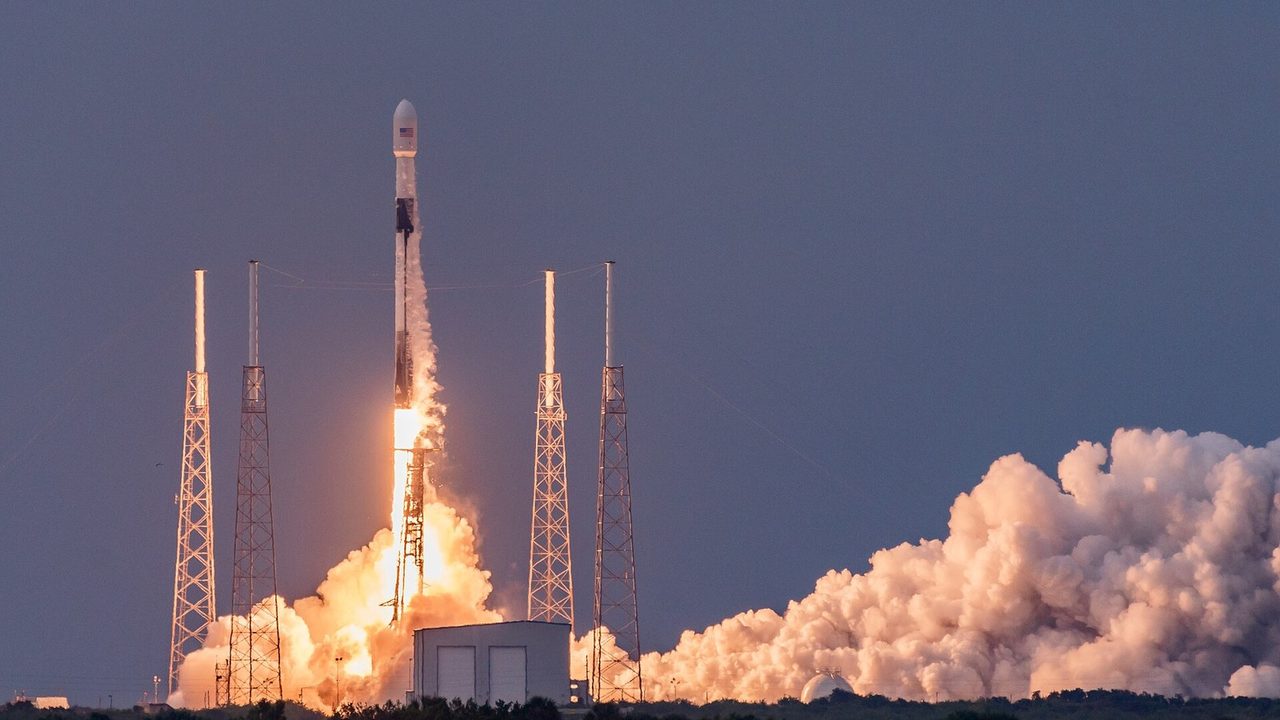
SpaceX is building a giant rocket that could leave NASA in the dust. The huge new vehicle is moving forward very fast, and it might outshine the government space agency. This big test could change how people get to space in the near future.
Why is the SpaceX giant rocket moving so fast?
The company owned by Elon Musk works at a very quick pace. They build prototypes, test them, and fix mistakes right away. The massive SpaceX Starship is designed to carry huge loads and many people at once. Private funding helps them move faster than traditional government programs.
NASA has to follow strict rules and get approval from lawmakers for its budget. That process can take a very long time. While the agency works through red tape, private engineers can build and launch hardware much faster. This speed gives the commercial space team a big lead today.
Will SpaceX leave NASA in the dust?
Many experts watch this race closely to see who comes out on top. NASA builds very safe systems, but its work takes many years to complete. The powerful SpaceX Super Heavy booster aims to carry heavy craft into orbit far cheaper than old rockets can. If it works well, it might make older agency designs look slow and out of date.
This big shift means private companies could take over the main job of flying to deep space. Regular people might see trips to the moon happen much sooner than expected. The competition pushes everyone to work harder, but the private team currently holds the advantage in speed and power.
What key facts set these space rockets apart?
Understanding the difference between these giant launch systems helps show why the race is so close. Here are the main points to keep in mind about this space battle:
- SpaceX builds giant rockets that aim to be fully reusable.
- NASA relies on standard public funding that can slow down progress.
- A private giant rocket can test and launch much more often.
- The main goal for both teams is reaching the moon and deep space.
As these two groups build their hardware, the world watches to see which method wins. Reusable designs save money, while traditional builds cost much more cash per launch. This difference in design philosophy is the main reason one side moves so much faster today.
What happens next for NASA and SpaceX?
The giant vehicle will keep taking on hard test flights in the coming months. Engineers will push the hardware to its limits to see if it is ready for crewed missions. Each successful flight brings the private company one step closer to leaving older systems behind for good.
NASA will also keep working on its own space plans and official launch systems. The agency might buy more rides from private companies if those giant vehicles prove to be safe and cheap. Readers should watch the upcoming test launches to see which team stays ahead in this exciting race.
Comments
Post a Comment