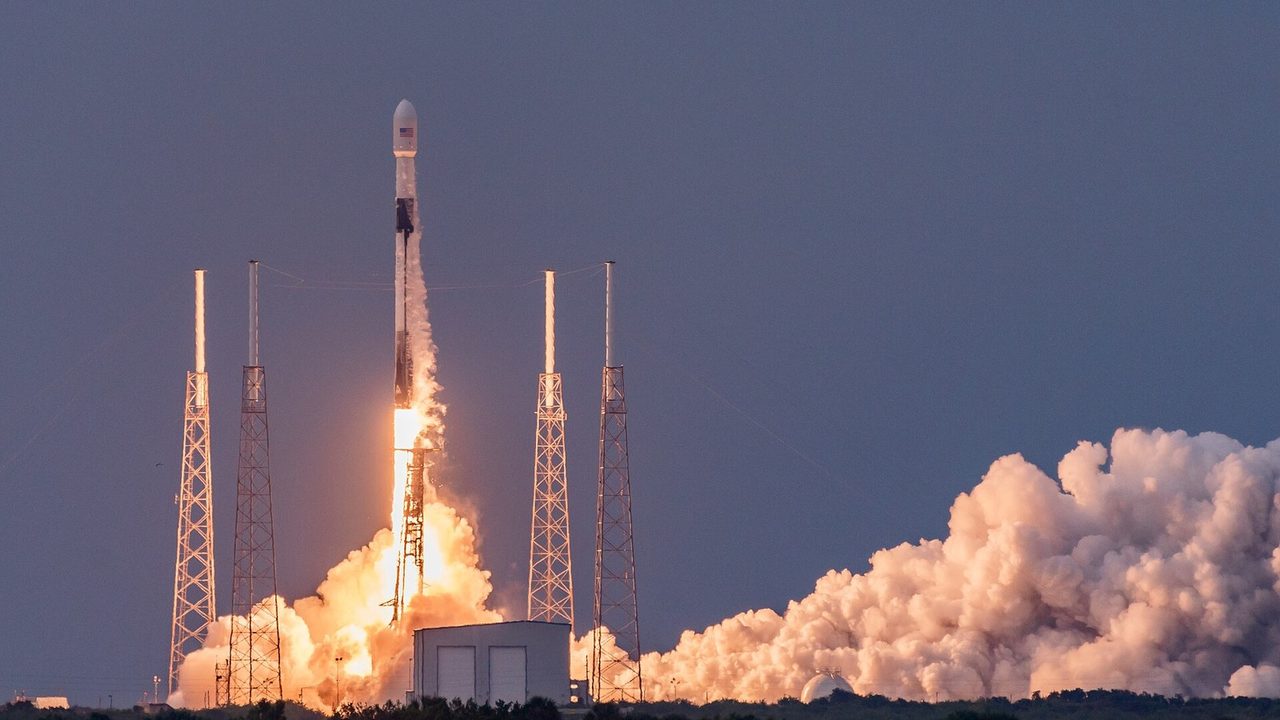
SpaceX is working on a giant rocket that may soon leave NASA far behind. The private space firm is moving fast and building new flight tech at a rapid pace. This big shift raises new questions about how the government space agency will keep up in the coming years.
Why could SpaceX leave NASA in the dust?
SpaceX builds and tests its hardware at a very fast pace. The company is developing the SpaceX Starship system to carry massive payloads into space. When things break during a test flight, the company fixes them quickly and tries again right away. This work culture helps the team learn faster than groups that take years between tests.
NASA works under very different rules. The government agency relies on public money and must answer to political leaders. Because of this oversight, NASA plans every single step with extreme caution to avoid costly mistakes. That careful process keeps crews safe, but it also slows down new rocket projects by many years.
What is the SpaceX giant rocket?
The giant vehicle is designed to be fully reusable so it can fly again and again. The bottom part of the stack is the massive SpaceX Super Heavy booster. Together, the system gives the team enough lifting power to send heavy gear, cargo, and people beyond Earth orbit. Flying the same parts many times lowers the cost of every trip into orbit.
Here are a few key points about this giant rocket system:
- It is built to carry massive cargo into deep space.
- The ship and booster are made to be fully reusable.
- Rapid test flights help engineers learn and improve fast.
- It could make heavy space travel much cheaper over time.
What this means for the future of space travel
If private rockets outpace government systems, the way humans explore space will change forever. Private companies could end up running most of the heavy trips to space. That means NASA might buy rides on private vehicles instead of building its own costly launch systems. It shifts the power balance from old state agencies to newer commercial builders.
For ordinary people, faster rocket progress could lower the barrier to space research. Cheaper launches can help scientists send more weather satellites and deep space probes into orbit. A lower cost per launch opens the door for smaller groups to build science missions that were once too expensive to fly.
What space fans should watch for next
The space community is watching each new test flight closely. Observers want to see if the private rocket can reach all of its goals without major setbacks. Every successful test flight puts more pressure on traditional government rocket programs to move faster and spend less money.
In the coming years, we will see how NASA balances its own launch programs with private options. The agency already works with commercial partners on many key missions. As private rockets get bigger and more reliable, the gap between commercial speed and state programs could grow even wider.
Comments
Post a Comment