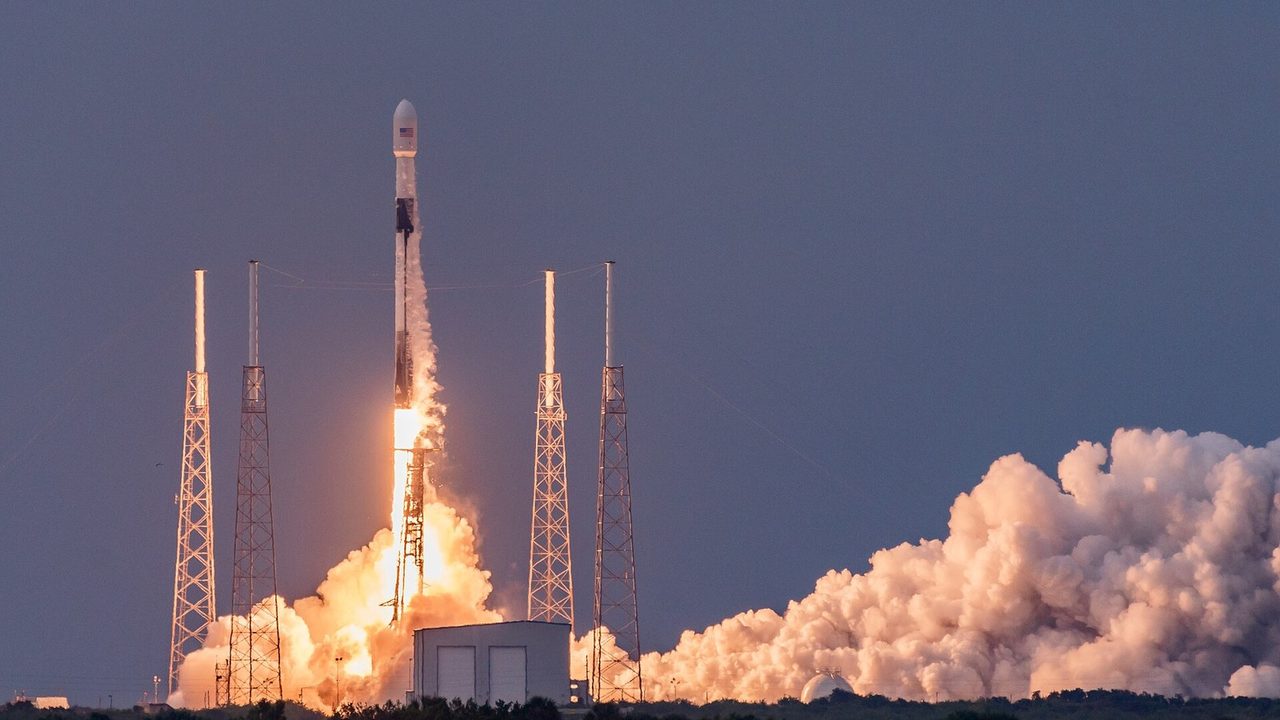
SpaceX built a giant rocket that might leave NASA far behind. The private company moves very fast while the government agency takes more time. This huge shift changes how humans will explore space today.
What is happening with the SpaceX giant rocket?
SpaceX is building a huge launch system that aims to change deep space travel completely. The company builds, tests, and fixes its landers at a very rapid pace. They are not afraid to crash a prototype if it teaches them a good lesson for the next launch. This method saves a lot of time and money over the years.
NASA uses a much slower process for its own heavy lift hardware. The space agency tests every single part many times before it puts anything on the launch pad. Both teams want to reach the moon and Mars, but their styles are totally different. You can see how fast the SpaceX Starship program moves by watching their public flight tests in Texas.
Why might SpaceX leave NASA in the dust?
The main reason comes down to cost and overall speed. SpaceX pays for its own tests, so its engineers can make quick decisions without waiting for government approval. They can try wild ideas and change designs in just a few days. That freedom lets them build hardware faster than traditional space programs.
NASA must get funding from Congress, which means things move through extra steps and long checks. The agency also relies on many contractors spread across the whole country. This keeps jobs in many places, but it slows down the work on the launch pad. Here are the core reasons why the gap is growing fast today:
- SpaceX tests brand new ideas directly on the launch pad.
- NASA relies on long reviews that take several years to finish.
- Private funding lets commercial teams build hardware without long pauses.
- SpaceX builds giant engines in its own factories to cut outside delays.
How does this giant rocket affect everyday people?
When rocket launches get cheaper, it helps everyone back on Earth. Lower costs mean companies can launch better communication tools, tracking systems, and scientific tools into orbit. You get stronger phone service, better weather reports, and more clear images of planet Earth. It also means your tax dollars might not have to cover every single deep space mission anymore.
A fast space race creates exciting new jobs in design, tech, and manufacturing. Young people studying math and science have more choices for work than ever before. Private space flight also brings the dream of flying to space closer to normal people. Millions of viewers around the world now watch live flight tests right from their phones and computers.
What happens next for NASA and SpaceX?
NASA is actually paying SpaceX to help land astronauts on the moon. Even though the two groups work at different speeds, they still need each other to reach big goals. NASA brings decades of science expertise, while the private space company provides fast, cheap launch hardware. Their complex relationship will shape the next decade of deep space missions.
Engineers are working hard to prepare the next giant vehicle for launch day. You can learn about the booster stage by reading about the powerful SpaceX Super Heavy design online. Keep an eye on the news schedule to see if the private team can stay ahead of the government agency in the months to come.
Comments
Post a Comment